SPORTS PERFORMANCE & ATHLETIC OPERATIONS
The Challenges
Basic pose estimation lacks the metrological precision required for elite biomechanics, while broadcast-style tracking frequently loses player identities during dense "scrum" situations. Traditional film study relies on manual tagging that takes hours per game, creating data lags that stall real time adjustments adjustments. This leaves coaches, players and analysts with incomplete data, expensive dependencies, and a lack of tactical insights when they need them.
Use Cases & Capability Mapping
Reality Capture + Pose/Shape Detection (Metrology Grade) + Low Latency (Edge) + Multi-Object Tracking & Re-ID
-
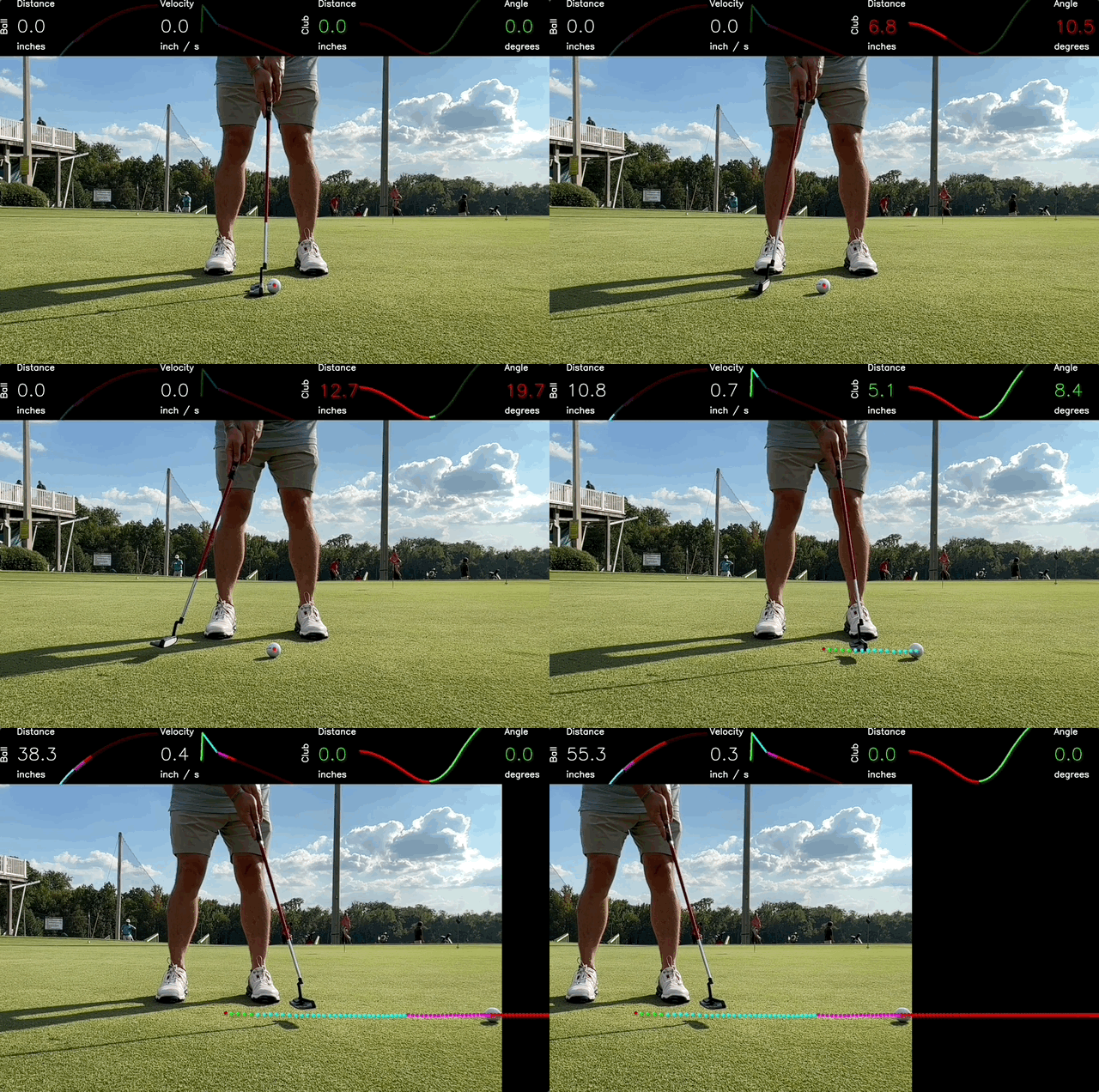
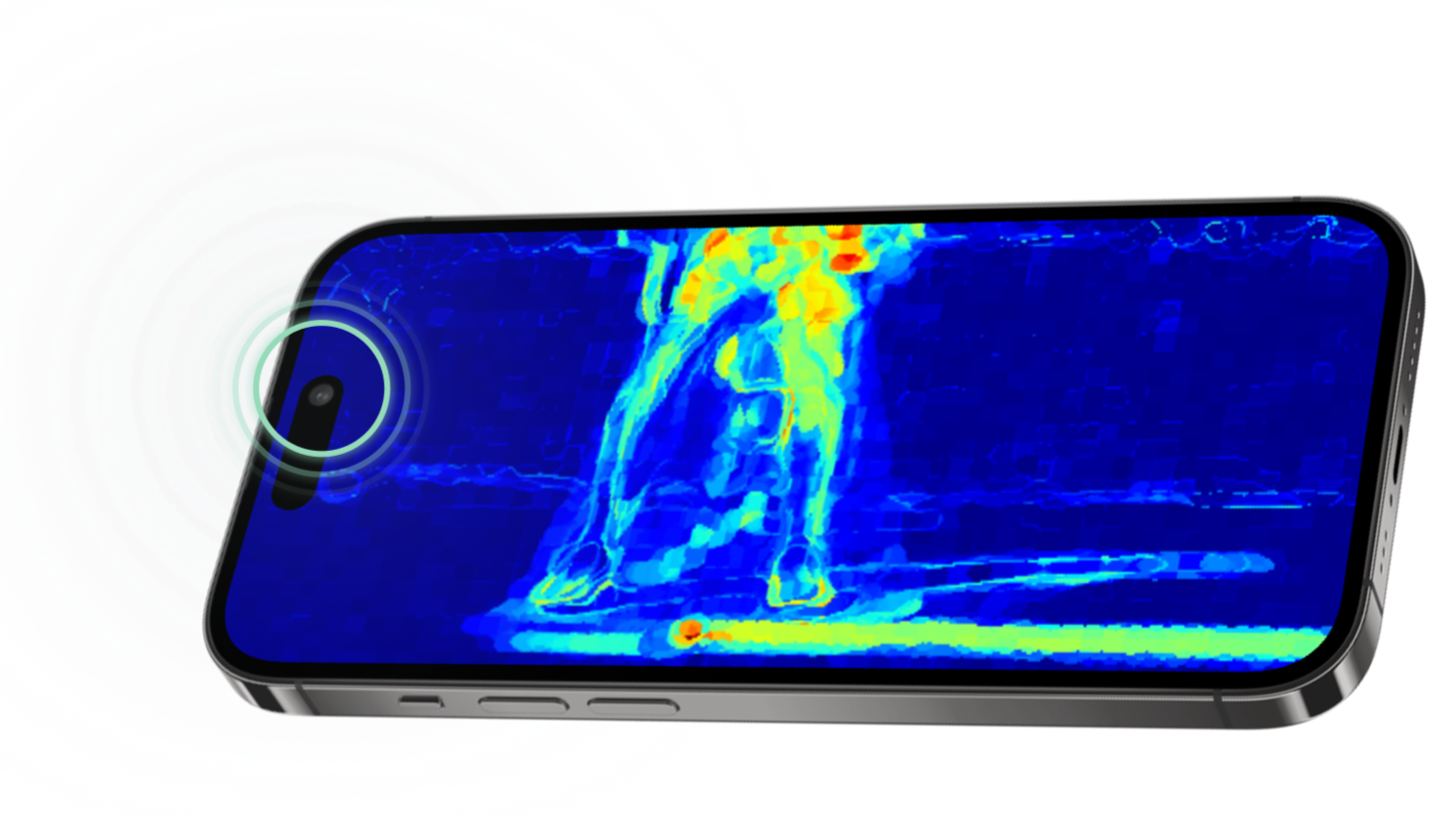
Mobile-ready Reality Capture + Pose/Shape Detection transforms any training space into a studio-grade motion lab. By going beyond simple "stick figures" to real-world metrology, the system calculates player and equipment, extension speeds, and symmetry without requiring wearable markers or specialized high-speed infrared cameras
-
A complete Computer Vision Pipeline that converts raw wide-angle or broadcast footage into searchable, GA-grade breakdowns. The system segments plays, identifies every player via multi-modal re identification, and indexes metadata, delivering efficient coach-ready clips to empower GAs
-
Using World Localization, the system maps player coordinates onto a 2.5D "Digital Area." This enables advanced tactical metrics like "control of space," passing lanes, and defensive compactness that were previously only available to Tier-1 professional clubs with dedicated data science teams
-
Edge Computing processes high-frequency movement data (acceleration, deceleration, and change of direction) during live practice. By comparing real-time mechanics against an athlete’s "baseline" shape, the system flags mechanical fatigue and deviation patterns that precede non-contact soft tissue injuries